
In the EYB/CookShelf library, there are 2214 books labeled as blogger/food influencer (excluding those from celebrity chefs). The biggest names all started as "old-fashioned" food bloggers where text and photos told the food story and provided the recipes: J. Kenji López-Alt, Tieghan Gerard, Deb Perelman. However, a growing number of new cookbooks come from influencers active on TikTok and Instagram, where short form video rules. But can you effectively translate 2-minute cooking videos to static recipes in a cookbook? That's what Violet Conroy explores in a recent post on Vittles.
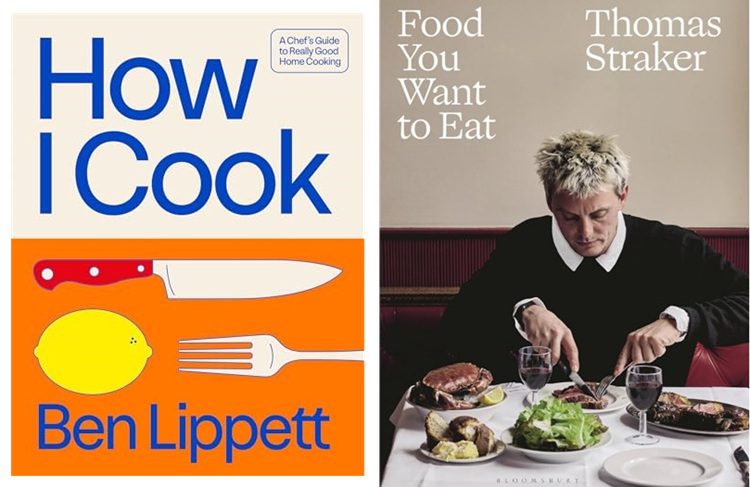
Conroy begins by noting the irony that so many of us who follow food influencers — herself included — prefer to use a hard copy to actually cook from. She says that while she indulges in food videos, it can be difficult to cook something from a video on your phone: "although useful for providing visual reference points, the video format is not always the most practical when you’ve got multiple pans on the go – anyone who has attempted to rewind a Reel with greasy thumbs, only to be confronted with Thomas Straker (@thomas_straker, 2.7 million Instagram followers) trying to pronounce ‘mozzarella di bufala’ in an Italian accent over and over again, can surely relate."
While a few breakout stars enjoy success, unless you're already an established celebrity chef pivoting to video like Ben Lippett and Thomas Straker, chances are that sales will be modest. As some publishers rely on follower counts to greenlight new cookbook deals, some in the industry don't believe that influencers necessarily make the best cookbook authors. Publisher Richard Atkinson says that "Digital content doesn’t necessarily translate into books. I might see somebody who is brilliant at online recipes with a gazillion followers on Instagram, but it doesn’t follow that they would write a great book. They’re providing bite-sized ideas, plenty of which I find inspiring … but a book is a different, bigger, more expansive thing."
6 comments
FuzzyChef
rosajane8
Pamsy
matag
ellabee
In trying to catch up and get my bearings again here, I've searched out recently published books that have taken off. I've never watched a Molly Baz video, but surely a cookbook doesn't jump to 6500 bookshelves in only a few years, with more than 500 notes on recipes, simply on the basis of an appealing persona? Or does it, in combination with a "brand"? (more ugh). The bio isn't all that informative. What made Baz a food editor originally? How would those of you who've watched/read here and used the cookbooks characterize what she brings to the field?
whitewoods