
Cinnamon is one of the most recognized and widely used spices in the world, flavoring everything from drinks to meats to breads and desserts. There are two major kinds of spices labeled as cinnamon, but Ceylon cinnamon (Cinnamomum verum or Cinnamomum zeylanicum) is known as "true cinnamon." The other spices called cinnamon are closely related to one another and are collectively known as cassia cinnamon: Indonesian (Cinnamomum burmannii, also marketed as Korintje), Chinese (Cinnamomum cassia), and Vietnamese, (Cinnamomum loureiroi). Cassia cinnamon is more common (and less expensive) than Ceylon cinnamon. Food & Wine explains how you can tell the two kinds apart.
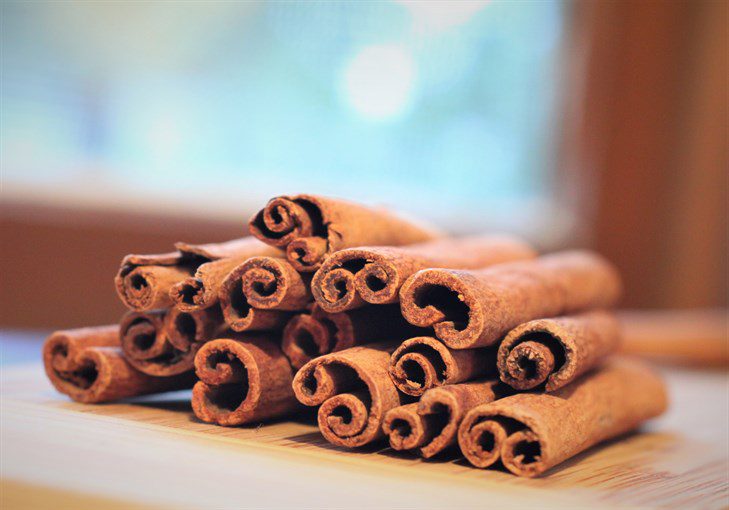
Both cassia and cinnamon come from the bark of tropical evergreen trees related to bay laurel. China is the ancestral home of cassia, and The Book of Spices notes it was cassia that first traveled to the West on what became known as “the cinnamon route”. The differences between cinnamon and cassia are mainly a matter of preference. While cassia is not as fragrant as cinnamon, some people prefer cassia’s stronger, sharper flavor, which has a slightly bitter undertone. Saigon or Vietnamese cassia contains more oil and is more pungent than that grown in Indonesia, China, or India. True cinnamon’s flavor is considered warmer but sweeter and more delicate, with citrus notes. According to Food & Wine, "Ceylon’s lighter profile makes it perfect as a finishing spice or in tea infusions, while the bolder profile of Cassia cinnamon can hold up after hours of cooking or baking."
Cassia bark is thicker than cinnamon bark (the photo above is of cassia), and the latter has a flakier appearance. Most true cinnamon comes from Sri Lanka, where, according to The Encyclopedia of Spices and Herbs, generations of “cinnamon peelers” pass down the skill of peeling the delicate bark and deftly rolling it into quills. Color differences also distinguish cassia and cinnamon. Cassia bark is darker than cinnamon bark, and ground cassia has a reddish-brown hue, while ground cinnamon is a pale tan.
Cassia is harder than cinnamon and is difficult to grind at home, but cinnamon can be easily ground using a mortar and pestle or spice grinder. The quills of both spices are often used whole in poaching liquids. Ceylon cinnamon is lower in coumarin, an aromatic substance that can be dangerous in large amounts, than cassia cinnamon. Cassia is also more likely to be contaminated with lead. One final way to tell them apart: if the country of origin is Sri Lanka or Madagascar, the product is most likely to be Ceylon cinnamon rather than cassia.
3 comments
KatieK1
ellabee
(Ceylon was the British colonial name for what is now Sri Lanka.)
Maxineanna