
A lot of us had a scare earlier this week when we read that Prue Leith was rushed to the hospital with symptoms suggesting a stroke. It turned out to be a severe migraine, not a stroke, and Prue was back home after a short observation. The health scare actually happened a couple of months ago but the details were just recently published. “For those who have messaged me, I wrote a piece of @theoldiemagazine about my trip to hospital a couple of months ago," she posted on social media, adding "“I was fine shortly after and I am very much alive and kicking now!”
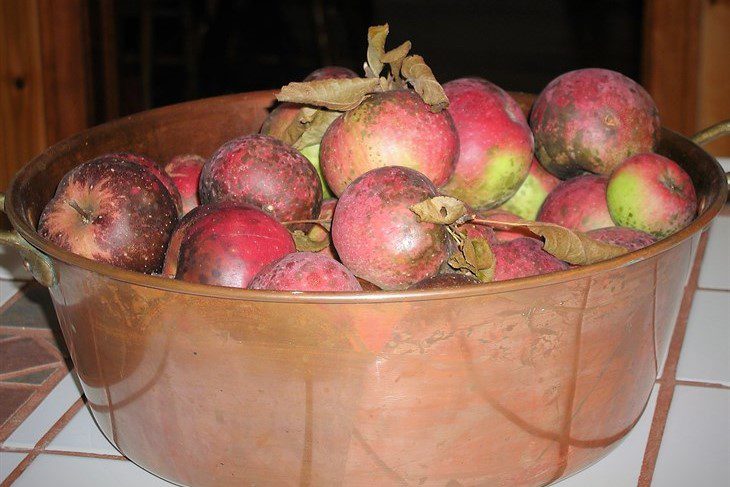
If you live in the US and are planning an autumn outing to an orchard for fruit picking, you might be disappointed. In orchards across the US, an early bloom period followed by a devastating late spring freeze wiped out large portions of apples, pears, peaches, and other fruits. In some areas, 90% of the crop was lost and the surviving fruit is subpar. Wisconsin, New York, and Pennsylvania were especially hard hit by the freeze.
Early this year, Samin Nosrat posted on her Substack that she needed to take some time for herself, and that she would not be posting anything for the foreseeable future. This week she posted a short piece about her curly hair since so many people have asked questions about it. Samin noted that she is not coming back to her newsletter at this time, saying she would "now return to hiding under my rock." Samin has suspended charges for her newsletter until she returns, so if you have a subscription to her Substack it won't be billed until she starts posting again.
The 2026 American Cheese Society Judging & Competition recently wrapped up, with a cheese from Vermont's Jasper Hill Farm taking home Best in Show. It marked the second time that Winnimere, a bark-wrapped, soft-ripened cheese inspired by traditional Jura Mountain styles, took home the top prize. The runners up were Artze, a soft-ripened sheep-milk cheese from Wisconsin’s Blakesville Creamery, and ‘Nati Gouda from Ohio’s Urban Stead Cheese.
Good Food (Aus) just published an interesting article that dispels myths and misconceptions about Greek yogurt. Apparently due to the 'proteinmaxxing' trend, some people have posted that Greek-style yogurt is somehow different from Greek yogurt, and make dubious claims about how some of the added ingredients in some brands' offerings are bad for you. Dietitian Helena McDonald breaks it all down, setting the record straight.
US regulators proposed a rule change earlier this week that would make companies inform regulators before adding new ingredients or additives to their foods. This is aimed at closing a loophole wherein companies could decide for themselves whether a new ingredient could be claimed as GRAS (generally recognized as safe). They have always been required to do testing before making this determination, but the new regulation would make them "show their work" instead of just relying on their word that they did the testing. Experts say this is a good first step, but that more needs to be done. Susan Mayne, former director of FDA’s food program, said that "most self-affirmed GRAS ingredients will still not be reviewed for safety by the FDA, with food ingredient safety continuing to be risk-based.”