
Roux is a foundational underpinning of both French and Creole cuisines. It serves as the backbone of the French mother sauces: hollandaise, sauce tomate, béchamel, espagnole, and velouté. Similarly, roux is indispensable for creating some of the most famous Cajun and Creole dishes like shrimp étouffée and gumbo. As Food Republic explains, the French sauce espagnole has the most in common with these dishes, which rely on dark roux "to deliver a powerfully unforgettable taste."
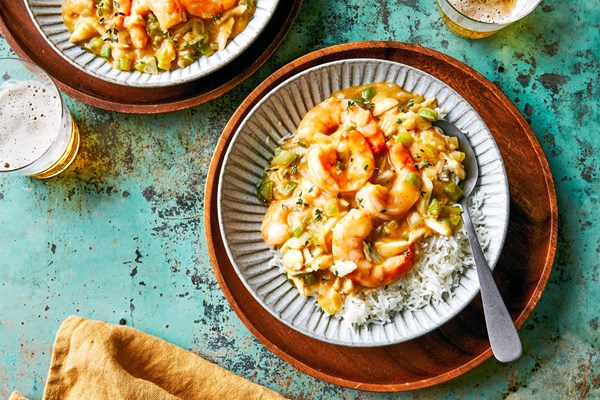
Roux is a mixture of equal parts fat (usually butter) and flour, cooked for various lengths of time to produce everything from a white roux (for béchamel) to a deeply-colored roux resembling an old penny (for gumbo). I had the privilege of watching a native Louisianan make gumbo, providing commentary along the way. She recommended getting a stool to put beside the stove "because you're going to be there a while" when making the roux. While a blond roux only cooks for about a minute, it can take half an hour or more to make a New Orleans roux.
Beyond the color, the flavor separates French roux from the New Orleans roux. While the French don't add flavorings to the roux itself, reserving them for later in the sauce-making process, in Cajun and Creole cooking, the spices toast in the fat/flour mixture, deepening the flavor. New Orleans roux also utilize fats other than butter to tweak the flavor profile even more.