
There's no denying that generative AI images of food have improved considerably in the last couple of years. Still, most of them still don't look quite right and some are downright unappetizing. Despite this, many restaurants—especially small eateries with equally small advertising budgets—are using AI-generated images on menus, posters, and ads for their business. This is sparking backlash from consumers, who often post derogatory messages on social media responding to the photos.
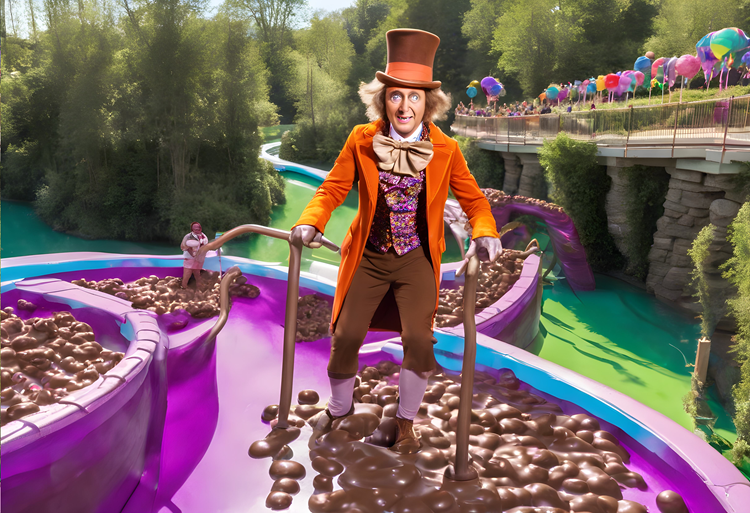
Some people consider these images to be false advertising, but as we all know, when big corporations spend a lot of money creating glamour shots of their products in a fancy photo studio, sometimes the food isn't actually, well, food. While there are laws that regulate what can be depicted in a commercial image of food products, food photographers have spilled the beans on substituting mashed potatoes for ice cream, glue for milk, and silicone instead of water droplets on the outside of a glass, just to name a few examples. While the resulting images certainly look real (and usually delicious), there is no denying that the pictures do not always meet up with reality, as anyone who has purchased a McDonald's burger can attest.
Beyond the deception issue, often AI-generated food images are just plainly unappetizing. Examples provided in the linked article show unnatural textures and bizarre liquids dripping from sandwiches. None of those photographs is going to entice someone to eat the 'food'. Customers savagely mock these photos online, and one disgruntled patron took it a step farther, painting a sarcastic message onto a shop's awning (please don't be that guy).
Scientists have studied why AI-generated food images are so unsettling to people. At first they hypothesized that it might be due to the survival mechanism of neophobia, but what they concluded is just that the images were 'not quite right'. This means that the same uncanny valley effects first described in the 1970s regarding pictures of people also extend to images of food. Customers want to see the real thing, even if it isn't perfect.
1 comment
cpauldin