
It is all but impossible to avoid plastic packaging. Almost every retail establishment uses plastic bags, and in grocery stores, the produce is in clamshells or plastic bags, the meat counter uses plastic or plastic-coated wraps, most milk now comes in plastic bottles—the list goes on and on. Scientists have been working to develop food packaging that doesn't rely on petrochemicals, and one team just created a promising packaging material from an unlikely source: pumpkin peels.
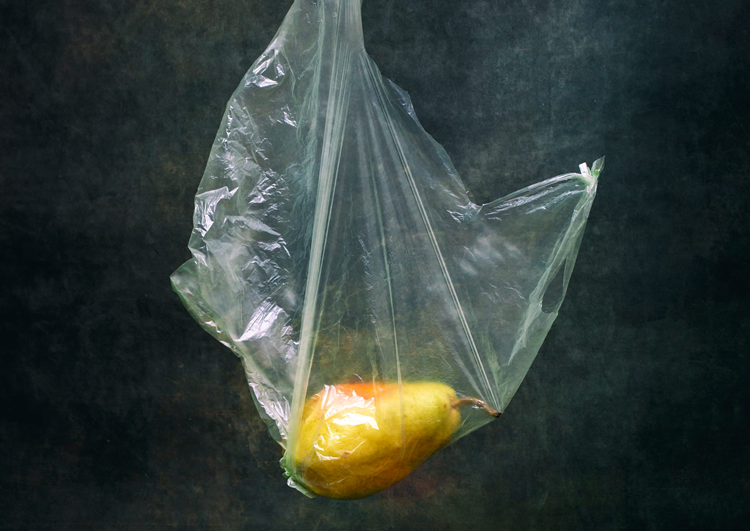
Researchers at Japan's Kyushu University have developed a clear film that keeps bacterial growth low and protects from UV light better than plastic. They heated pumpkin peels under high pressure to create "quantum dots" (microscopic particles of black powder) that were then mixed with plant fibers and gelatin to make a film that behaves in a manner similar to cling film. In a test, this biofilm worked better at inhibiting rot and protecting antioxidant activity than plastic. The only metric where it was less effective was in reducing moisture loss.
This technology is still years away from commercial production, however. Additional studies are needed to confirm the results of the first one, and the team wants to investigate how well it controls other problems like mold. Additional safety testing also needs to be done, although the team is confident that this is a safe product. “We understand safety is a key concern,” said food scientist M.A. Reshaka Kavindi, one of the study's authors. “Cell viability tests confirmed the material is non-toxic below 2 mg/mL, and the coating itself uses only a fraction of that amount, at roughly 0.01 millimeters thick." Consumers can also wash or peel items to further reduce risk.