
As one of our Members pointed out in our antipasto post, we did not cover the foodborne illness outbreak currently affecting over 7,000 people in 34 US states, but this topic deserved more consideration than could be conveyed in a single paragraph. The outbreak is caused by a parasite called cyclospora, and people who ingest it can suffer from nausea, fatigue, and severe, "explosive" diarrhea that can last for weeks. Leafy greens are currently the prime suspect in the outbreak and officials believe that cases in at least four states are connected, but they haven't yet been able to link cases in other states . “There may be multiple unrelated outbreaks going on at the same time,” Donald Schaffner, Ph.D., professor of food microbiology in the Department of Food Science at Rutgers University, told TODAY.com.
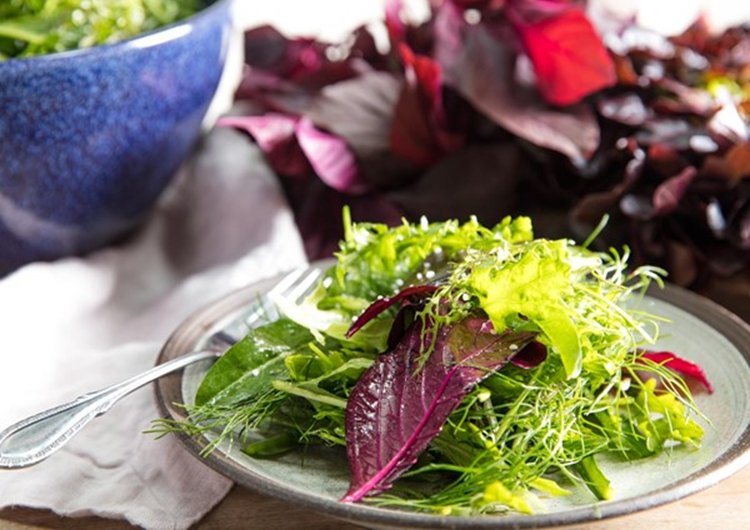
Several factors have confounded efforts to pinpoint the source of this outbreak. The first is that since Cyclospora is a parasite and not a bacteria, it is not detected by commonplace tests run by physicians who suspect food poisoning. Another concern has to do with funding cuts at federal agencies that monitor and study foodborne illness, particularly to the CDC's Foodborne Diseases Active Surveillance Network (FoodNet). In 2025, the agency reduced the number of pathogens that must be reported to the network from six to two, removing cyclospora from the list.
However, this doesn't explain the problems in identifying the cause of this outbreak, says Craig Hedberg, PhD, professor of Environmental Health Sciences at the University of Minnesota. He notes that FoodNet was not intended to identify sources of foodborne but rather to monitor trends over time. However, there has been a significant lag between when states have reported cases and when they appear on official CDC case counts. "This is not optimal for providing timely updates in the context of an ongoing investigation, and is frustrating for the public health community as well as the public," said Hedberg.
Barbara Kowalcyk, PhD, Director of the Institute for Food Safety and Nutrition Security at George Washington University, told The Guardian that she believes funding cuts to public health agencies have played a role in the delay, with staffing limitations slowing down investigations. "It's like putting a puzzle together. You start taking pieces out of your puzzle - it's harder to see the whole picture, and that's what we've done. We've taken pieces out of the whole puzzle," Kowalcyk said.
Cyclospora's long incubation period (one to two weeks) and the United States' complex food supply chains present additional obstacles to identification of the outbreak's source. There have been reports that Taco Bell restaurants are linked to illnesses in Michigan, but that has not been confirmed. Experts say the vast majority of produce being sold in stores is not contaminated by cyclospora, so consumers should not stop eating leafy greens and fruit. (I've never been more happy to have lettuce growing in my backyard.) If you live in an area heavily affected by an outbreak, you may want to avoid bagged greens, remove outer leaves on heads of produce, or cook the produce to a temperature of at least 158 degrees Fahrenheit to be on the safe side. Unfortunately, washing alone is not sufficient to make food safe to eat if it's contaminated with cyclospora.