
Which food items should be stored in the refrigerator, and which are fine (or even better) without the big chill? This is a question that can cause a heated discussion as there are varying opinions on the topic. The Guardian's Emine Saner has gathered advice from a number of professionals to put most of the arguments to rest, as the experts weigh in on which items need the cold storage (think jams, leafy produce, and citrus) and which are better off outside the box (olive oil, coffee, and chocolate).
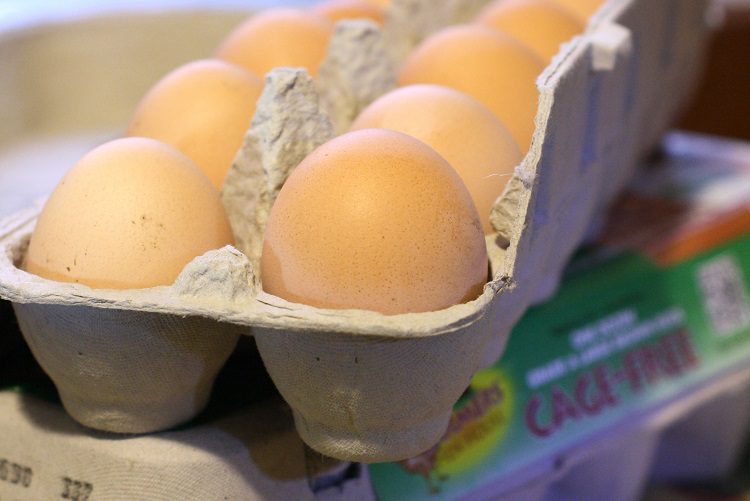
Another food debate revolves around eggs: specifically, their color. For many shoppers, brown eggs denote positive things like better care for the hens along with higher quality and nutritional value. None of these is necessarily true, as the color of an egg only notes the breed of the hen that laid it, according to experts. Taste-wise and nutritionally, there is no difference. However, there is one positive attribute that can be associated with white eggs, says Sainsbury's. The supermarket did an analysis and found that hens that lay white eggs are more efficient than other breeds, resulting in a 12% reduction in carbon emissions. Sainsbury's will be switching over to white eggs only due to their lower environmental impact.
Sometimes it can be difficult to part with kitchen items, even when we already have plenty of them or we never use it. The "just in case" thinking is tough to overcome, but holding on to objects that are not being used creates unnecessary clutter. Tamara White, creator of Homestead How-To, lists eleven items you are probably hoarding for no good reason. I can get behind most of the items on this list (especially takeout sauce packets), but there is one where I said "hold on": White says you should get rid of cookbooks you never open. I'll get to them one day!
Good Food (Aus) recently dived into a discussion about the use of AI in advertising for restaurants and bakeries. Increasingly, marketers are turning to AI to embellish the photos of the foods being served or even the restaurant space itself. This comes mainly as a cost-cutting measure - restaurants can save thousands of dollars by having AI design a logo or menu, or create an Instagram post. However, this savings comes with a catch - customers can perceive the AI images as "inauthentic or low effort," says Dr. TaeWoo Kim, a marketing lecturer at the University of Technology Sydney. I would be skeptical of eating at a restaurant that used an AI-created photo of its food - how about you?
René Redzepi has kept a low profile since allegations of workplace abuse were leveled against him, but he is now returning to Noma in a new role as the Copenhagen restaurant prepares to reopen later this summer. A new leadership team will oversee the prestigious eatery, which formerly boasted three Michelin stars. Redzepi's new position is titled creative director, where he will focus on food development projects.
There was a glitch in our social media postings so you may have missed these articles:
- Another reason why you should cook from scratch
- World Cup tourists to the US joke about gaining the “FIFA 15”
- Recipes to celebrate Juneteenth'
- What’s in the new Aldi boxes? It’s a mystery
- Food news antipasto
- James Beard Award winners
- Chefs turn to newsletters to share their stories
- Making soft serve cool again
- London’s food scene: from boom to bust
2 comments
Indio32
Pamsy