
If you love to cook, you are applying scientific concepts every time you make a meal - even if you hated science classes in school. I happened to love chemistry, which may explain why I geek out over the science of cooking. Serious Eats also has a thing for food science, which is why they created a series of articles about the importance of temperature, time, and chemistry in cooking. The chemistry-based cooking tricks article delves into the science of pH.
As Samin Nosrat explain in Salt, Fat, Acid, Heat: Mastering the Elements of Good Cooking, acid can be a critical component of a dish. Things like vinegar, citric acid, lemon juice, and other things on the low end of the pH scale can add zip and zing to your cooking. Acid can also perform other functions, like denaturing proteins to "cook" fish in ceviche or to thicken posset cream and sugar into a firm posset.
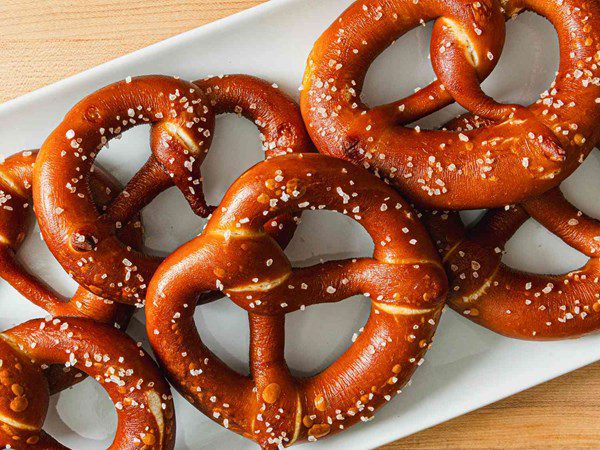
On the other end of the scale, alkaline ingredients also perform critical functions. Alkaline conditions can enhance the Maillard reaction. For example, using an alkaline (lye) bath for pretzels results in the toasty flavor and deep color that is their hallmark. Alkalinity can also help food cook faster. Some ingredients are processed with alkali, changing their characteristics - Dutch cocoa, for instance. Combine the two ends of the pH scale and voila! You have created the conditions that make doughs and batters rise in the oven. Every trip into the kitchen is a science experiment.
2 comments
janecooksamiracle
Highly recommended. A novel about chemistry in the kitchen 😀
dbuhler