
Remember food blogs? You know, the ones that had charming stories that ultimately led to a recipe that you wanted to try? It seems that in our increasingly fast-paced world, reading a few paragraphs takes too much time. In the last few years much ado has been made about food blogs being a waste of time and that bloggers should skip the boring stuff and head straight to the recipe. Many bloggers have shifted to a different format such as a newsletter where they can cultivate subscribers in lieu of relying on search engines (Molly Wizenberg, formerly of Orangette, is one). Others are diversifying, adding podcasts or videos alongside blog posts (for example, Smitten Kitchen's Deb Perelman has a podcast with J. Kenji Lopez-Alt).
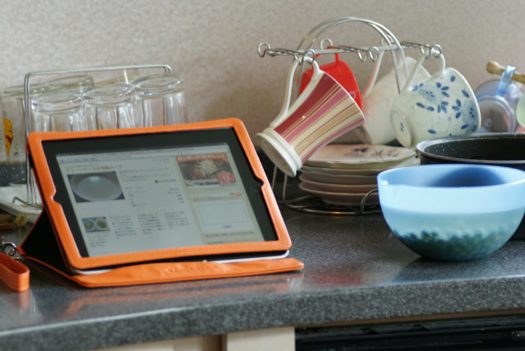
While it is premature to publish an obituary for food blogs, it may be wise to start working on a draft. Reading in general has taken a hit, especially with younger people. Short-form videos and podcasts have displaced reading for a large segment of the population. College professors are reporting that incoming freshman find it difficult to do the required readings for courses. People turn to AI to provide summaries of online stories, and websites are adding key points or takeaways at the top of the page, even for short articles. The TL;DR crowd is being well served.
The reduction in long form food blogging does not correlate to a lack of interest in cooking and baking, however. Aspiring cooks are merely using different media to find what they need. One interesting note is that, at least for now, cookbooks seem to be a common denominator between those who love food blogs and those who prefer TikTok: both groups are buying cookbooks.
One of the key benefits of blogs is that they are (generally) free; bloggers receive revenue from sponsorships or ad placements. With those moneymaking avenues drying up, the shift to a subscription-based service like Substack or Buttondown makes financial sense, even if it does change the dynamic between reader and writer. The biggest obstacle to this model for both parties is that consumers are experiencing subscription fatigue. I can relate to that; I recently re-evaluated my monthly budget and was surprised to see how much I have been spending on subscriptions and Patreons. While I enjoy all of them, I am nearing (okay, at) the limit of what is a reasonable amount to spend on this form of entertainment. Looks like I need to start reading blogs again.
12 comments
Fyretigger
lean1
Indio32
Another vote for the books!
dmass
demomcook
Rinshin
KarenGlad
MaryMM
Therese
@Rinshen could you share some You Tube suggestions ? YT is not one of my go to places ( i think it’s just an age thing) .
Agree wholeheartedly with @Indio32 and others .
The challenge is curating what works for oneself . Remember when all we yearned for was an easy way to search our own cookbooks? 😎
Therese
@Rinshen could you share some You Tube suggestions ? YT is not one of my go to places ( i think it’s just an age thing) .
Agree wholeheartedly with @Indio32 and others that the internet is broken.
The challenge is curating what works for oneself . Remember when all we yearned for was an easy way to search our own cookbooks? 😎
MollyB
ccav
One site I pay (a very nominal) annual fee for ad-free access is Heidi Swanson's 101 Cookbooks. Always loved her recipes, writing and elegantly simple website. And I own all of her books. Physical books are still the winner, and I will never stop buying them!