
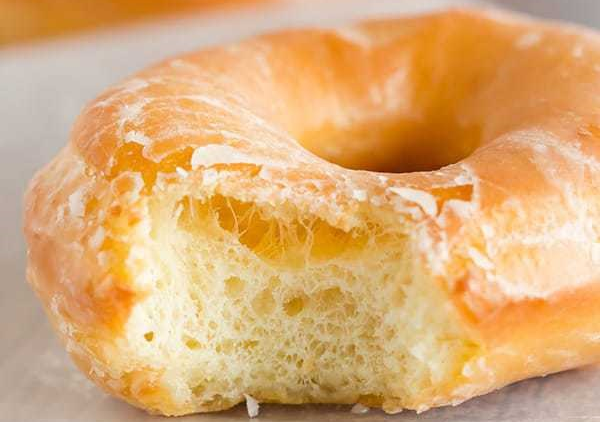
We've written before about foods that are traditional to eat on the first day of the New Year to bring about good fortune and prosperity, but for me this never gets old. First, I majored in anthropology, so cultural traditions around food fascinate me. Second, I like eating many of the so-called lucky foods because they are delicious. Doughnuts are the first item on Better Homes and Garden's list of lucky New Year's foods, so I took that as a sign to make them. I started the day with Copycat Krispy Kreme doughnuts because round foods symbolize increased prosperity as they resemble coins, and ring-shaped foods symbolize the year coming full circle. Check and check.
The next lucky food on the menu was beans. Black-eyed peas are a legume traditionally consumed on New Year's Day in the form of Hoppin' John, but I opted for beluga lentils (in Dal Makhani) instead. Beans' symbolism is multi-faceted: their shape represents money and because dried beans expand when soaked in water, this represents an increase in wealth or prosperity. While all beans are considered lucky, black-eyed peas in particular have added symbolism.
The final food on the lucky list was pork (thought to symbolize prosperity) as our friends invited us to dinner and made ham. Other traditional foods that didn't make it onto our meal plan included collard greens, sauerkraut, cabbage, soba noodles, a whole fish, and dumplings. What traditional New Year's foods graced your menu today?
In case you missed yesterday's post: New Year’s cookbook and cooking intentions.
2 comments
JaniceKj
Rinshin