
Even people who don't usually bake may reach into the cupboard and dust off a pie pan during the holiday season. Making a pie can be stressful if you don't regularly bake, but Food and Wine's Ann Taylor Pittman offers advice to help you perfect your pie with solutions to five common pie crust problems. These tips are aimed at obtaining a tender, flaky rolled crust.
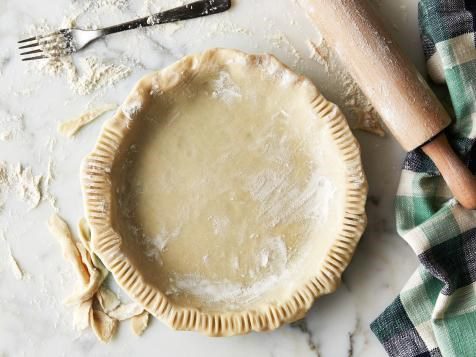
First and foremost, Pittman reminds you to keep all of the ingredients cold to inhibit gluten formation, which can make the crust tough. If you have time, chuck your bowl of flour into the fridge or freezer before embarking on the crust making. Other tips for tenderness include resting before you roll and using a light touch with the rolling pin.
To guard against the dreaded "soggy bottom", you should par-bake the crust, says Pittman. She suggests using parchment and ceramic pie weights or dried beans for the initial bake to keep the crust in place. You might consider Stella Park's brilliant idea of using sugar as the pie weight - the bonus is that you can use the toasted sugar in almost any recipe to add extra flavor to cakes, cookies, or your pie filling. The EYB Library has thousands of pie crust recipes to choose from, but if the spectre of a shrinking, tough, or soggy crust is just too terrifying to contemplate, you can also make a crumb or press-in crust, both of which are very forgiving and can be even tastier than a rolled pie crust.
3 comments
FuzzyChef
MarciK
reader1trees
One point that I don't think is emphasised enough is to buy the best quality flour, butter etc. that you can afford because they really change the end result. There are so few ingredients in pastry that there's nowhere to hide and poor flavour in one or more ingredients really comes through in the finished pie.