
Following a storm of negative social media posts, Momofuku has said that it won't enforce the trademark for 'chili crunch' or 'chile crunch'. “Over the past week, we have heard the feedback from our community and now understand that the term ‘chili crunch’ carries broader meaning for many,” the company said in a statement. Small business owners who had been served with a 'cease and desist' letter said that this was a welcome development but also said that Momofuku should do more to demonstrate its commitment to the AAPI community.
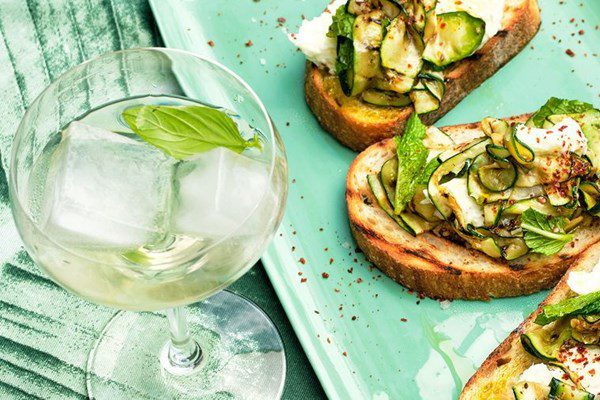
Move over Aperol, there's a new spritz in town and it's poised to be the drink of the summer, says Joanna Taylor in the Evening Standard. So what is replacing the beloved Italian bitter? Another Italian liqueur, limoncello, which is the second most popular liqueur in Italy. Just as with the Aperol or Campari spritz, the limoncello spritz has been around for some time but is quickly becoming the darling of drinkers looking for something light and refreshing.
Many cookbook aficionados will tell you that they love cooking and cookbooks because they allow them to escape the everyday into a world filled with luxurious scents and fantastic flavors. To them, cookbooks are apolitical, but don't try to get Jessica Carbone to agree with that sentiment. Writing for Saveur, Carbone argues that cookbooks have always been political, even if the readers are not aware of that fact. Starting with a 1901 tome written to support Jewish immigrants, Carbone traces the ways cookbooks foster a sense of community, push back against prevailing cultural narratives, and show resilience in the face of extreme adversity.
Meghan Markle is set to star in a new cooking show that will debut later this year on Netflix. This follows the launch of her new lifestyle brand American Riviera Orchard. The description of the show, which will “celebrate the joys of cooking, gardening, entertaining, and friendship,” gives Barefoot Contessa vibes according to Eater's Amy McCarthy. The program uses the same showrunner as the popular series Selena + Chef.
Baseball, hot dogs, and apple pie are All-American standards. Or are they? The history behind hot dogs points away from North America, and might have you reconsidering the hot dog's place in the pantheon of iconic American foods. As SBS Food explains, hot dogs tell the story of German immigration to the US in the mid-nineteenth century where the emigrees brought with them their favorite sausages.
4 comments
Indio32
KatieK1
IvyManning
Zephyrness
Many "American" Foods were originally brought by immigrants and morphed when they got here. It doesn't make those foods less American. Many "European" foods are based on New World ingredients. Are Italian tomato sauces not really italian? After all, tomatoes come from the New World, as do potatoes and corn. Corn polenta anyone? or should we just call it grits and claim that it is not Italian? Is fugazza truly classic Argentinian or is it just pizza and doesn't count?
Hot dogs and apple pie are American. Their roots tell a story of immigration and social change. As does chop suey, Tex-Mex, sushi, corned beef and many, many curries, Food gets passed around and adapted. That it's roots may be in one place doesn't mean it can change and become a part of another place.
I agree, food is not often political, but it is, almost always, social.