
Last year most of us eschewed large gatherings, which meant fewer occasions to use that tub of mayonnaise, jar of mustard, or bottle of ketchup. We might have these condiments and more left over from pre-pandemic times (I am among the guilty). Now that picnics, cookouts, and other celebrations are happening again, it's time to give your condiment shelf a once-over and throw out any items past their prime. To help you decide what to pitch and what to keep, head over to Food & Wine, which offers a guide to how long condiments last once opened.
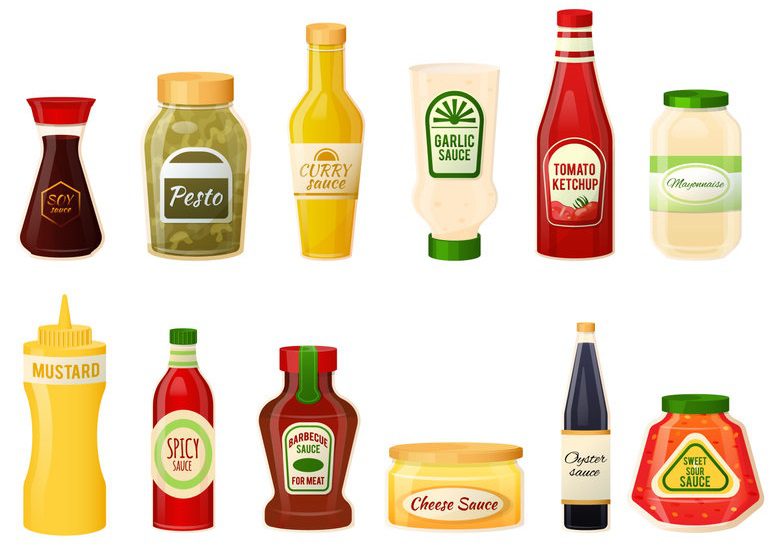
Expiration dates are not the best way to determine if a condiment should be tossed, according to food safety experts. The 'best by' dates refer to how long the product will stay fresh unopened. Once you crack the seal, the shelf life of condiments depends on several factors including where it is stored and what it is made of. Food & Wine recommends the FoodKeeper App, published by the US Department of Health and Human Services and found on the website Foodsafety.gov. The app provides a list on how long you should keep condiments ranging from honey to hoisin sauce and chili sauce to chocolate syrup.
I admit that I flaunt these suggestions for some items such as honey. Since they found edible honey in the tombs of Egyptian Pharoahs, I think it will be okay to hang out a few months more in my cabinet than is recommended. There is a risk, of course, to ignoring these rules and while I might be comfortable consuming mustard that's been in the fridge for two years, when I am serving guests I will break out a new jar. Also, flavor diminishes the longer anything is stored, so it is probably a good idea to rotate condiments just for the sake of your tastebuds.
The one suggestion that surprised me was to toss soy sauce after just one month. While I don't keep bottles of soy sauce around for years, a large bottle usually hangs out in the cupboard for a few months. Did any of the recommendations surprise you? Are you a rule breaker like me or do you follow these guidelines religiously?
8 comments
EskieF
lean1
Rinshin
susan g
I think people;'s problems most often may be due to user contamination, that is, using the same utensil from one thing to another. Even worse, taking a taste and putting the spoon (or whatever) into that jar or another. It's especially hard on non-acidic foods such as jams.
My biggest mistake was to keep a tin of roasted sesame oil in a cabinet with a fluorescent light under it. There's no better way to ruin it, and no saving possibilities. (Maybe for a squeaky door hinge?)
averythingcooks
I am a bit of a "specialty condiment / savoury preserve / chutney / paste" collector - both buying for myself & being gifted lots of things. I was thinking about this while reading the recent forum discussion re: the number of vinegars people have....I just have a different collectable :) When I am out of town, I hit grocery stores, hunting these aisles looking for things that I can't get at home. Online shopping can also be a bit of a bear trap for me. As a result, I'll often go on a "jar mission" when meal planning, specifically trying to use stuff up. For example, I make Melissa Clark's marmalade meatballs all the time but hardly ever the same way - all kinds of things have gone into the delicious glaze - but very rarely the marmalade actually called for :)
The main thing I am very careful about is homemade items. I currently have mason jars of BBQ sauce, grainy mustard and Vivian Howard's "little green dress" & "community organizer" in there....the "use by" date is clearly labelled and I commit to getting through them in time.
SACarlson
Tovie
jluvs2bake