
Learning a new language can be a challenge, especially when the language's grammar differs significantly from your native tongue. When translated literally, idioms can sound absurd, but if you think about the overarching meaning the phrase will eventually make sense. Just like language, food has grammar, and learning the rules of another culture's eating etiquette can be nearly as confusing as learning to speak the language. Jason Leung, writing for Atlas Obscura, examines the grammar of food and helps us understand it.
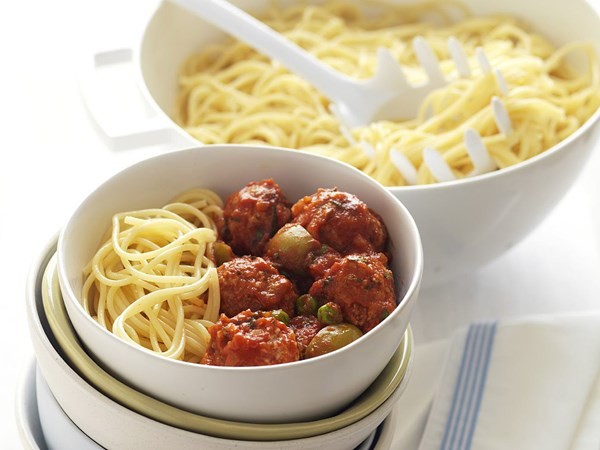
Leung notes that "cuisine obeys grammatical rules that vary from country to country, and academics have documented and studied them. They dictate whether food is eaten sitting or standing; on the floor or at a table; with a fork or chopsticks or with fingers." He offers several examples of practices that seem normal to one culture but strange to the next. Italians usually serve pasta before the meat course and therefore find the concept of spaghetti and meatballs odd, for instance.
These cultural mistranslations can be perplexing, awkward, or even insulting to people in the originating society. At their worst, they denigrate a culture by reducing it to a stereotype, but they also offer an upside: the opportunity for creating wonderful new combinations of foods. In the hands of someone who is "culinarily bilingual," mixing different food grammars can result in delicious new dishes or even entirely new culinary subcultures, such as Louisiana's Creole cuisine.
Photo of Spaghetti with Napoletana meatballs from Masterclass: How to Cook Perfect Pasta by Australian Women's Weekly
1 comment
AlineLorieri
Great read! :)