
Rice is the most widely consumed staple food for a significant portion of the world's population, especially in Asia and Africa. Each rice-centered culture uses different techniques to cook this versatile cereal crop. What is preferred in one country can be anathema to another. The BBC's Hersha Patel discovered this the hard way when YouTube personality Uncle Roger mocked her method of making egg fried rice. The video was all in good fun (and later Uncle Roger and Hersha paired up to make another egg fried rice video.)
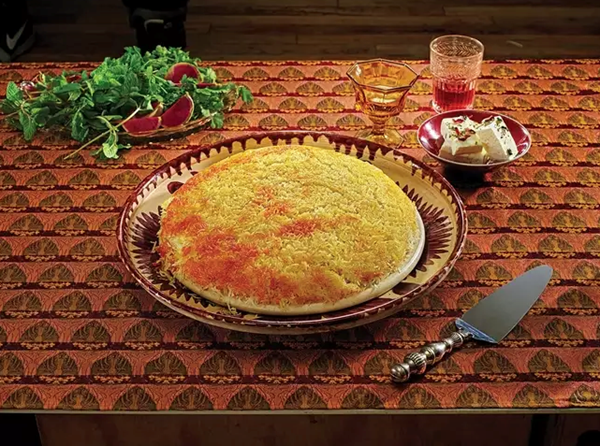
Humorous videos aside, there are different approaches to how you cook rice depending on what kind of rice you use and what the end result will be. The technique for risotto is completely different from what you would do to make tahdig, for example. Whether you rinse the rice prior to cooking is also culturally dependent.
As Annie Harihanan explains, these distinctions go beyond the cooking method. The relationship that cultures have with rice is also reflected in their languages. In Japanese, the literal translation of breakfast is “morning rice” and in the Malay language, different words are used for cooked and uncooked rice. The next time you see a rice dish and think to yourself "that's not the right way to cook rice," you might want to reconsider. It might not be the way you are accustomed to making rice, but it might be the right way to achieve the desired end result.
Photo of Steamed saffron rice with tahdig (Chelo ba tahdig) from Saveur Magazine by Naz Deravian
3 comments
MarciK
sir_ken_g
Seed, seedling, plant, rice with hull, dehulled rice, cooked rice. Each a totally different word.
Further every rice culture has it's own favorite rice....and you will not convince them to switch.
Rinshin