
We know it's August and in much of the world there's not a lot of heavy mental lifting going on. so we wanted to nudge the brain cells a little with this crucial question, posed by the kitchn, "When Is a Pizza Not a Pizza?" Does it have to have a traditional crust? A traditional crust with sauce? A traditional crust with tomato sauce? A traditional crust with tomato sauce and cheese?
Actually this does lead into a larger discussion of food nomenclature and how certain food terms have been expanded well beyond their origins - "pesto" and "gazpacho" immediately leap to mind. Overall, we'd come down on the side of liberality in this one - since the fun of cooking is creative and a little humor and whimsiness makes it even more fun - what's the harm in adapting terms, especially for home cooks? The one qualification may be when used in menus - if a term misleads the eater into ordering something they don't want, then probably the use is inappropriate.
As far as "pizza" goes - we'd probably use the term for traditional crust, any type of sauce, plus cheese as a minimum requirement - but we'd certainly eat any type of flat bread with any savory topping gladly, no matter what it's called. And the author of all these pizza cookbooks in our library would no doubt agree.
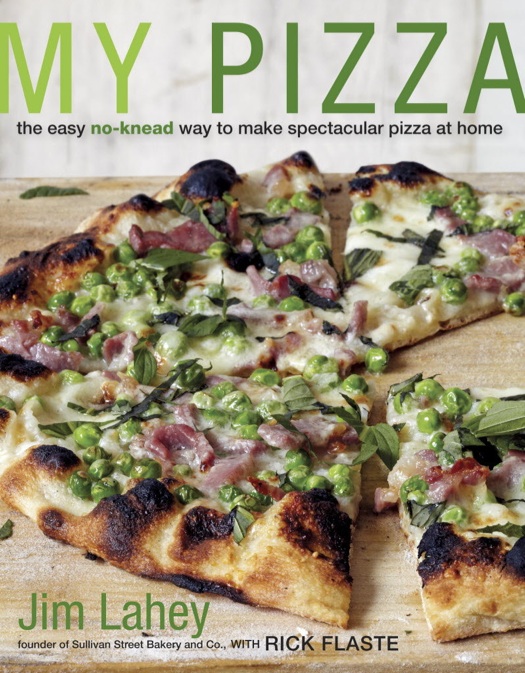
Photo of cover of Jim Lahey's My Pizza
4 comments
LDGourmet
sir_ken_g
http://en.wikipedia.org/wiki/Pissaladi%C3%A8re
geoff@kupesoftware.com
The only time I get frustrated is when “pizza” is used as an adjective. Like Mexican Pizza (it’s a tostada!) or Pizza Burger (it’s a burger!)
FuzzyChef